

Amazon VOD Services
Figuring out exactly what you get from an Amazon Video On Demand subscription isn’t always straightforward, especially once you factor in regional pricing, ad tiers, and device compatibility. Many engineers and product managers researching Prime Video end up buried in marketing pages that explain features but skip the technical plumbing behind them. That gap matters if your job involves benchmarking delivery quality or explaining to stakeholders why playback looks different on a five-year-old set-top box versus a new smart TV.
An Amazon Video On Demand subscription gives you access to Amazon’s streaming catalog through either a standalone plan or a bundled Amazon Prime membership, depending on your country. This piece walks through what’s included, how pricing breaks down across regions and tiers, which devices support playback, and the video quality you can expect on each one. It also gets into the engineering layer, how ad-supported streaming is built, why content delivery network choices matter, and what live sports add to the picture. At TVTechInsight, we look at these platforms the way engineers do, so let’s start with what’s actually inside the subscription.
Key Takeaways
Amazon Prime Video runs roughly 205 million paid memberships worldwide, making it the second-largest subscription video platform after Netflix, trailing only the music industry is closing in on a billion global subscribers trend seen in other streaming sectors.
An Amazon Video On Demand subscription splits into standalone, Prime-bundled, and ad-supported versus ad-free tiers, with pricing ranging from about $2.99 to $8.99 a month depending on region.
Streaming quality ranges from 1080p for most licensed titles up to 4K HDR with Dolby Atmos on Amazon’s original productions and capable devices.
Ad-supported delivery relies on SSAI and CSAI insertion methods plus codec-aware bitrate ladders to keep playback smooth at scale.
Device reach spans Fire TV, smart TVs, game consoles, and mobile, each with a different quality ceiling tied to codec support.
Table of Contents
- What Is Included In An Amazon Video On Demand Subscription?
- Which Devices And Platforms Support Prime Video Streaming?
- What Video Quality Can Subscribers Expect?
- How Does The Engineering Behind Ad-Supported VOD Actually Work?
- What Sports And Live Content Comes With A Prime Video Subscription?
- The Takeaway
- Frequently Asked Questions
What Is Included In An Amazon Video On Demand Subscription?
An Amazon Video On Demand subscription gives members streaming access to Prime Video’s movie and television catalog, and what exactly that includes depends heavily on where the account is registered. In the United States, United Kingdom, and Germany, Amazon offers Prime Video as a standalone product that doesn’t require a full Prime membership, while in markets such as Australia, Canada, France, India, Turkey, and Italy, access runs through a dedicated website instead. In most other countries, Prime Video sits inside the complete Amazon Prime bundle alongside shipping, music, and storage perks, so the video service becomes one benefit among several rather than a separate purchase. On top of the core catalog, subscribers can extend their library through Amazon Channels, a marketplace layer that adds third-party content for an extra monthly fee, reflecting a broader trend of loyalty programs worldwide surpassing simple membership models as brands build layered customer ecosystems.
Amazon Channels lets subscribers add premium networks like HBO, Starz, Showtime, and Discovery directly through the Prime Video interface, with no separate apps or logins required. Each channel bills as its own line item on top of the base subscription, and you can cancel a single channel without touching your core Prime Video access. This structure is worth noting for engineers tracking entitlement management, since each channel effectively runs its own authorization layer inside one storefront.
In the United Kingdom and Germany, Amazon Channels also carries sports and factual programming from providers like Discovery and ITV, letting subscribers layer live and on-demand content onto the base plan. This add-on model mirrors how cable providers once sold premium tiers, except billing and access now run entirely through one Amazon account.
How Does Pricing Work Across Regions And Tiers?
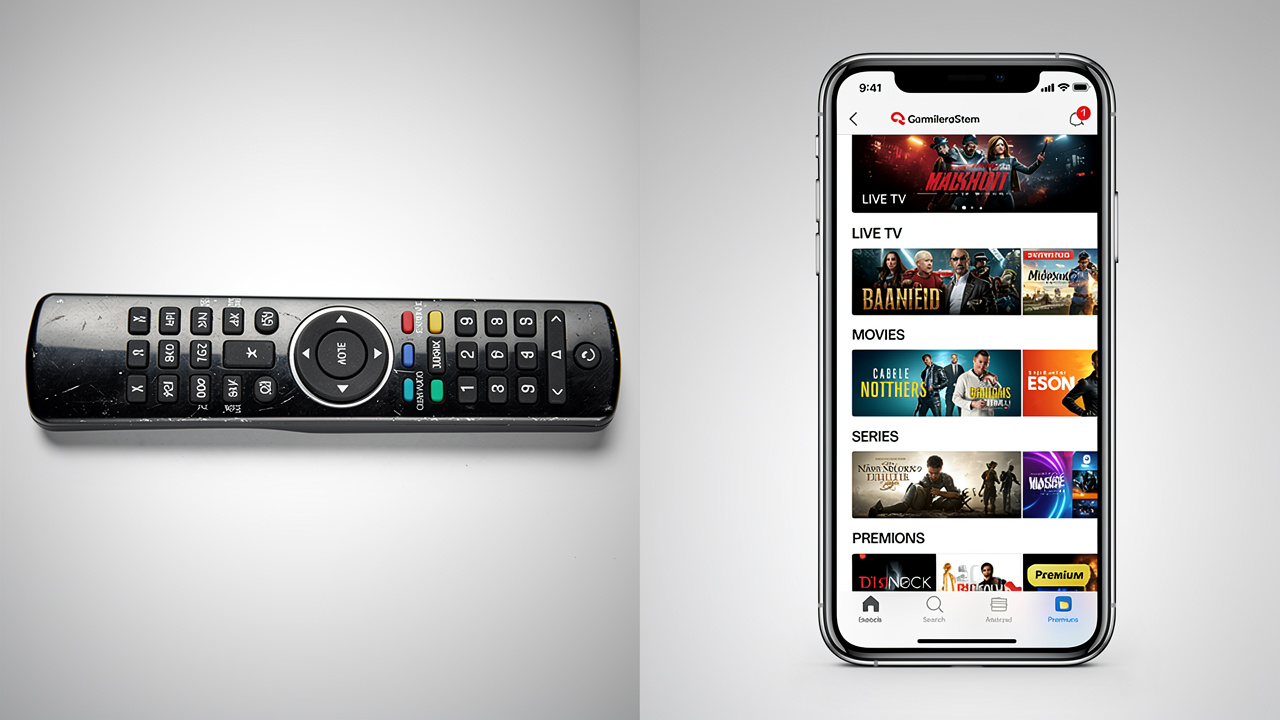
Pricing for an Amazon Video On Demand subscription varies by region and by whether you pick a standalone plan or the full Prime bundle. In the United States, the standalone Prime Video plan runs $8.99 a month, a price point set when Amazon split the video service from full Prime membership back in 2016. European markets see standalone pricing around €5.99 a month after promotional periods end, while some newer markets use penetration pricing that starts around $2.99 a month before rising to standard rates.
Since January 2024, Amazon has also split pricing by advertising tolerance. The base Prime Video tier now includes limited advertising, and subscribers who want an ad-free experience pay an additional $2.99 a month on top of their existing plan. That tiering reflects a broader industry shift toward treating ad tolerance as its own pricing lever rather than a simple discount.
Which Devices And Platforms Support Prime Video Streaming?
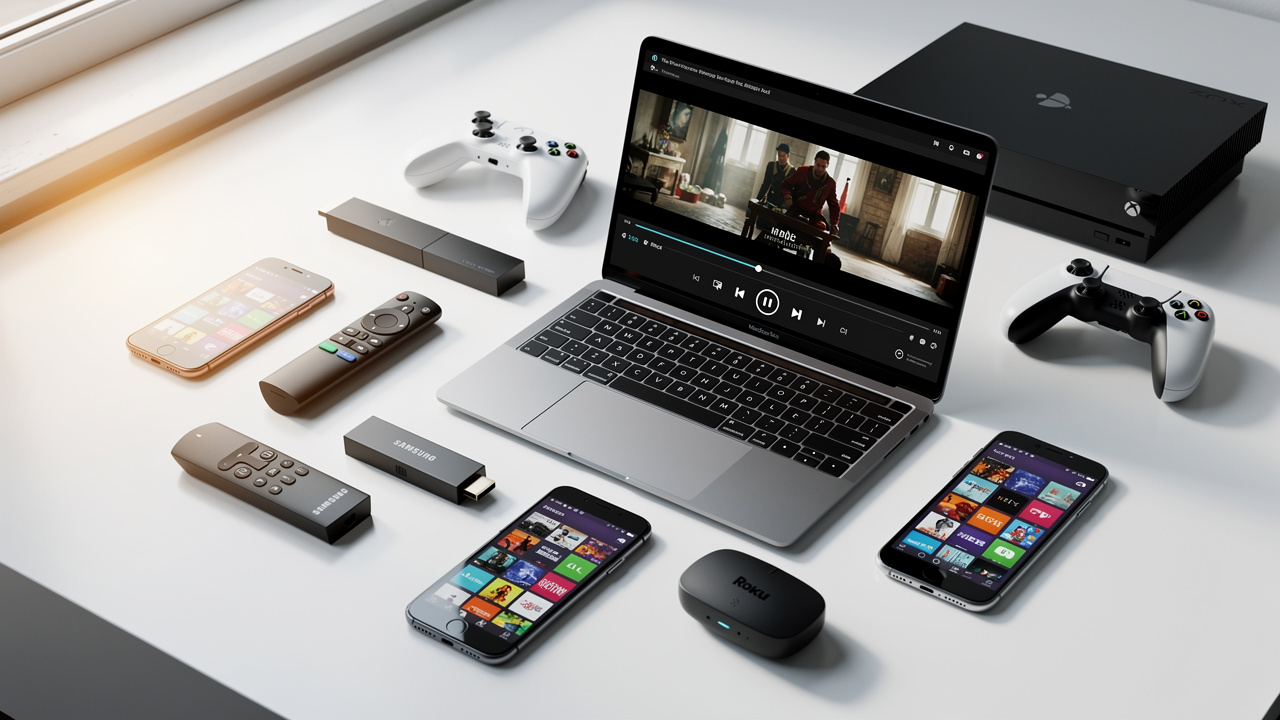
Device support for an Amazon Video On Demand subscription spans nearly every major consumer electronics category, which is part of why the service reaches such a broad subscriber base. Core support includes Fire TV devices, smart TVs from Samsung, LG, and Sony, Roku players, PlayStation and Xbox consoles, and the standard web browser experience on desktop computers. Mobile apps for iOS and Android round out the picture, letting one account follow a viewer from a living room TV to a phone on the commute home.
Amazon’s device strategy wasn’t always this open. The company blocked Apple TV and Chromecast sales on its own marketplace back in 2015, citing compatibility concerns, before reversing course and shipping native apps for both platforms by 2020. That history is a useful reminder for platform architects that device gatekeeping tends to be a short-term strategy rather than a lasting one.
What Video Quality Can Subscribers Expect?

Video quality on a Prime Video subscription depends on the title’s license terms and the playback device, not just the subscription tier itself. Licensed movies and shows typically stream at 1080p with 5.1 Dolby Digital or Dolby Digital Plus audio, while Amazon’s own original productions push further, offering 4K Ultra HD with HDR and Dolby Atmos on compatible screens. Older consoles and entry-level streaming sticks often cap out well below that ceiling, so the same title can look noticeably different depending on what it’s playing on.
Bitrate also flexes with network conditions in real time, a technique called adaptive bitrate streaming that briefly lowers resolution rather than letting playback stall. That tradeoff became public during the COVID-19 pandemic, when European Commissioner Thierry Breton asked streaming platforms to reduce bitrates to protect broadband capacity, and Amazon complied while working to preserve perceived quality.
How Does The Engineering Behind Ad-Supported VOD Actually Work?
Ad-supported video on demand depends on inserting commercial breaks without breaking the viewing experience, and platforms generally choose between two insertion methods. Server-side ad insertion, known as SSAI, stitches ads directly into the stream on Amazon’s servers before it reaches the device, which produces smoother playback and better resistance to ad blockers. Client-side ad insertion, or CSAI, instead asks the device itself to fetch and play ad creative separately, giving more precise targeting control but introducing more failure points, like gaps between content and ads. Most large ad-supported platforms lean toward hybrid approaches, using SSAI for living room screens and CSAI where interactive targeting matters more.
A codec-aware bitrate ladder keeps older formats like H.264 and HEVC in the HEVC and AV1 formats such as AV1 for devices that can decode them. This lets one subscription platform serve a decade-old set-top box and a brand-new smart TV from the same content library without maintaining two separate pipelines, since AV1 can cut bitrate by roughly 30% to 50% over HEVC, a saving confirmed by bandwidth and cost savings analyses comparing newer codecs to H.264. Our coverage of AVOD architecture treats this as a bandwidth economics problem as much as a compatibility one, since AV1 can cut bitrate by roughly 30% to 50% over HEVC at comparable quality, a saving that compounds fast across billions of streaming hours.
Why Do CDN And Delivery Choices Matter For Streaming Reliability?

Content delivery network choices decide whether a stream starts quickly and stays stable, especially during peak demand like a big sports broadcast or a popular series premiere. Large platforms typically run multi-CDN setups, routing traffic through different providers by region or switching in real time if one network shows congestion or errors. Amazon’s own infrastructure, built on Amazon Web Services, gives it an advantage here, since content delivery and compute capacity sit inside the same environment. Newer transport protocols like HTTP/3 and QUIC also help by cutting connection setup time and handling packet loss more gracefully than older methods, a benefit similar to what independent testing found in tests show VVC codec outperforms HEVC with 8K video, where next-generation standards delivered major efficiency gains over established formats.
None of this works without feedback. Engineering teams track quality of experience metrics, rebuffering rates, start-up time, and error codes, separately for content and ad segments, then feed that data back into encoding decisions shaped by the state of the video codec market, which tracks how publishers balance AV1, VVC, and HEVC adoption across delivery pipelines. We cover this feedback loop in depth for OTT architects, since delivery problems usually trace back to a choice made earlier in the encoding chain.
What Sports And Live Content Comes With A Prime Video Subscription?

A Prime Video subscription increasingly includes live sports, which has become one of the platform’s biggest differentiators against Netflix and other on-demand rivals. Amazon holds Thursday Night Football rights in the NFL, a share of Premier League matches in the UK, a slice of Champions League fixtures, and starting with the 2025-26 season, an 11-year deal with the NBA covering 66 regular season games annually. Those additions mean a subscriber isn’t just paying for a back catalog anymore, but for scheduled, time-sensitive programming too.
Live sports place different demands on the same pipeline used for on-demand catalog content. synchronized ad breaks have to land at the right moment across every viewer’s stream, and latency has to stay low enough that scores on screen don’t trail real-world action by a wide margin.
The Takeaway
An Amazon Video On Demand subscription is really two products bundled into one experience, a flexible pricing structure on the surface and a layered engineering system underneath it. Whether you pay $8.99 a month for standalone access or get Prime Video as part of a full Prime membership, the viewing quality you experience depends on device capability, codec support, ad insertion method, and CDN performance just as much as the plan you picked.
For engineers and product teams evaluating similar platforms, the real lesson is that subscription tiers only tell half the story. If you want to go deeper into how codec strategy, SSAI and CSAI tradeoffs, and CDN design shape streaming reliability at scale, TVTechInsight’s technical breakdowns cover that engineering layer in detail.
Frequently Asked Questions
Can I Use Amazon Gift Card Balance To Pay For A Prime Video Subscription?
Yes, in select countries including France, Italy, Spain, Mexico, Canada, the Netherlands, Saudi Arabia, Luxembourg, and Portugal, Amazon gift card balances can cover Prime subscription renewals as of 2023. This doesn’t extend to Prime Video Channels or other content add-ons, which still require a standard payment method.
Does The Ad-Supported Prime Video Tier Affect Streaming Quality?
No, ads insert through server-side or client-side methods without lowering the base video resolution. The $2.99 monthly ad-free upgrade removes commercials only, since picture quality is governed separately by the title’s license and your device’s decoding capability.
Can I Cancel My Amazon Video On Demand Subscription Anytime?
Yes, both standalone and Prime-bundled subscriptions can be cancelled anytime through account settings, with no long-term contract involved. Access continues through the end of the current billing period before the subscription actually ends.
Why Does Video Quality Sometimes Drop On Older Devices?
Older devices often only decode H.264 or HEVC, not newer formats like AV1, so platforms have to serve them a lower, compatible bitrate rung. This is why most large VOD platforms maintain a hybrid, codec-aware bitrate ladder instead of a single encoding profile.
Is Amazon Prime Video Available Without A Full Prime Membership?
Yes, standalone Prime Video subscriptions are available in the United States, United Kingdom, and Germany without requiring full Prime membership. In most other markets, access requires either the complete Prime bundle or a dedicated regional website.
How Many Devices Can Stream Amazon Video On Demand At Once?
Amazon typically allows streaming on up to three devices simultaneously under one account, though this can vary by content licensing agreement. That concurrent stream limit is separate from the total number of devices you’re allowed to register to the account overall.
